

Moth Recorder (Somerset & Bristol Moth Counter)
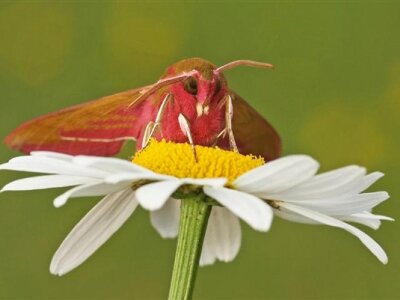
Would you like to learn more about moths and their enormous diversity? Join us to create a Somerset and Bristol wide Moth Count - key in helping build an understanding of how moth populations and biodiversity across our region are changing over time.
The Somerset and Bristol Branch of Butterfly Conservation are delighted to offer places on our moth recording pilot which will include:
- training on moths, trapping, identification and diversity
- necessary equipment
- ongoing support and help in identification
This is open to anyone living in Somerset and Bristol who has time and interest in recording moths. No expertise necessary - we will give you all the training you need and elements of the role can be completed from home. Come and join us! Deadline 5pm 18th February 2026.
Why we want you
• To learn how to capture, identify and count moths
What you will be doing
• Attend a training session on moth capture and identification
• Conduct surveys for moths, in a nearby location
• Identify all moths encountered, to the best of your ability
• Seek assistance/advice in identifying species as appropriate
The skills you need
• Desire to learn and improve identification skills
• Own transport may be required to access some survey locations
What's in it for you
• Develop or apply your knowledge of moths and the environment
• Loan of necessary equipment
• Contributing directly to the scientific knowledge base of our moths in the region
• Improve your identification skills
• Improve your understanding of the distribution and ecology of those species encountered
• Support from regional experts in capturing and identifying moths
• Increase your social circle with like-minded people
Our Moth Recorders help us to understand species in their local area and, by extension, across the UK.
At Butterfly Conservation, we want to create a world where butterflies and moths are enjoyed by everyone, forever. We need people to record various species and collect data. This data is used to inform decisions which help to conserve moths, both locally and nationally.
You will be volunteering with a wide range of people helping us to monitor species in your local environment.